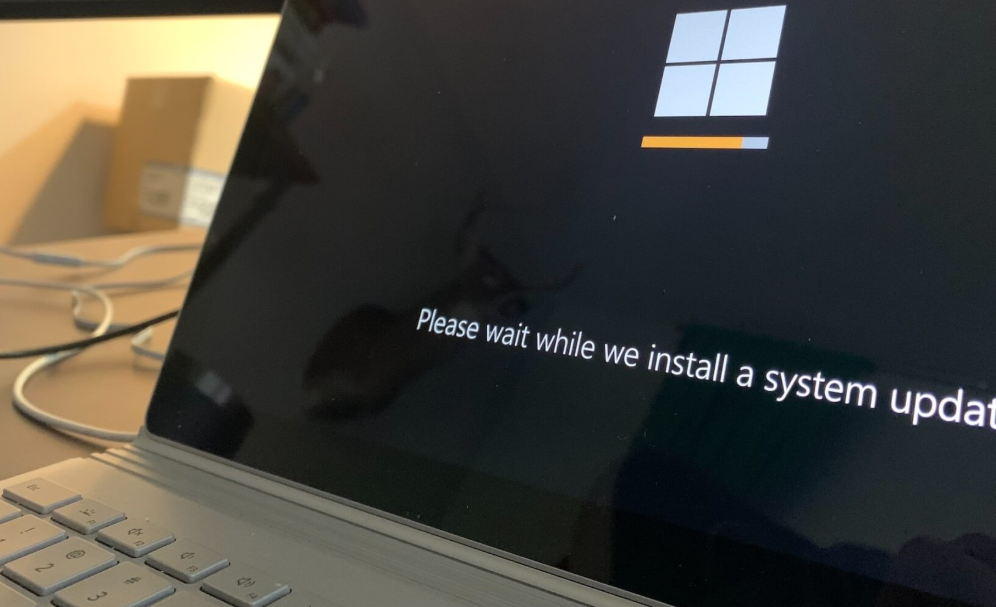
Why Software Updates Matter
Software updates are essential for maintaining application integrity and security. They address vulnerabilities that could lead to breaches, thereby enhancing user trust. Furthermore, these updates improve performance and functionality, ensuring efficient operation. They also facilitate compatibility with emerging technologies. However, neglecting updates can result in significant risks, including data loss and system instability. Understanding the implications of these factors is crucial for organizations striving to maintain robust operational capabilities.
The Importance of Security Patches
Security patches play a critical role in maintaining the integrity of software systems, addressing vulnerabilities that could be exploited by malicious actors.
Effective vulnerability management is essential for organizations aiming to uphold data security and user trust.
Enhancing Performance and Functionality
While many users may prioritize security, enhancing performance and functionality is equally vital in software updates.
Performance optimization directly impacts user experience, ensuring that applications run more efficiently and responsively. Updates often introduce enhancements that reduce resource consumption, streamline processes, and eliminate bugs, ultimately fostering a smoother interaction.
Prioritizing these updates empowers users to maximize their software’s potential while enjoying improved operational capabilities.
Ensuring Compatibility With New Technologies
Software updates play a significant role in ensuring compatibility with emerging technologies and standards.
By addressing vulnerabilities and adapting to new protocols, they facilitate the integration of legacy systems with innovative solutions.
This process of future proofing allows organizations to remain agile in a rapidly evolving tech landscape, ensuring that their software can effectively communicate and operate with the latest advancements.
Preventing Data Loss and System Instability
Given the increasing complexity of software systems, preventing data loss and system instability has become a critical objective for organizations.
Regular software updates enhance security measures, facilitating effective data recovery protocols and ensuring robust system backups.
Conclusion
In an age where software vulnerabilities are as common as the air we breathe, the irony lies in the fact that many users still overlook the significance of updates. By neglecting these crucial patches, they invite chaos into their digital realms, unwittingly trading security for convenience. Yet, those who embrace regular updates find themselves not only shielded from potential breaches but also enjoying enhanced performance and stability. Thus, the choice remains clear: evolve with technology or risk becoming obsolete in a rapidly advancing world.