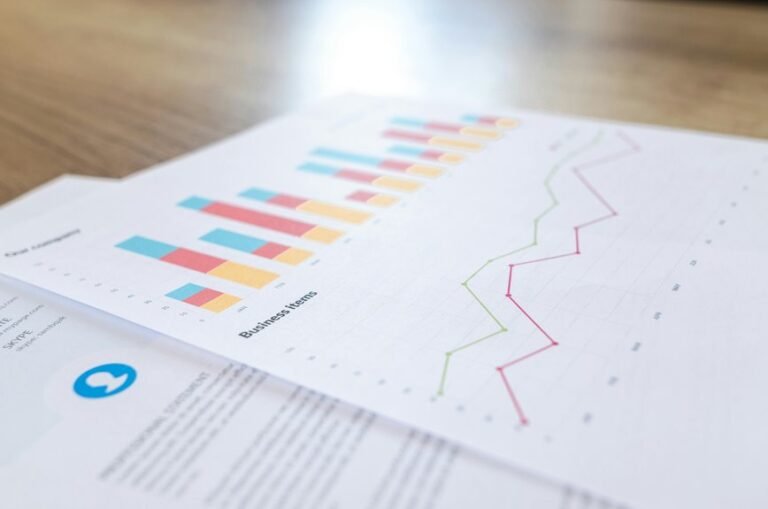
Performance Analytics File of 910944084, 262180912, 4123575214, 5030000401, 5127176188, 931888036
The Performance Analytics File for the specified identifiers reveals significant data trends impacting organizational outcomes. By examining key metrics such as response times and user engagement, the file illustrates patterns that can guide strategic initiatives. These insights underscore the necessity of a data-centric approach to enhance efficiency and optimize processes. However, the implications of these findings raise important questions about future decision-making strategies and the overall trajectory of organizational performance.
Overview of Performance Analytics Files
Although performance analytics files serve various purposes across different organizations, they fundamentally function as crucial tools for data-driven decision-making.
These files facilitate performance evaluation through the systematic collection and analysis of relevant data.
Key Metrics and Trends Identified
What key metrics and trends emerge from the analysis of performance analytics files?
The trend analysis reveals key performance indicators (KPIs) such as response times, error rates, and user engagement levels.
Notably, an upward trajectory in user satisfaction correlates with enhanced operational metrics.
Additionally, fluctuations in performance suggest areas for improvement, emphasizing the need for continuous monitoring to foster organizational adaptability and growth.
Implications for Organizational Efficiency
Analyzing performance analytics files reveals significant implications for organizational efficiency.
Effective process optimization can streamline workflows, resulting in increased productivity and reduced operational costs.
Additionally, strategic resource allocation enhances the utilization of assets, ensuring that personnel and tools are employed where they yield the greatest impact.
These insights empower organizations to adapt and thrive, fostering an environment conducive to innovation and growth.
Recommendations for Data-Driven Decision Making
Building on the insights gained from performance analytics, organizations can implement data-driven decision-making strategies that enhance operational effectiveness.
Utilizing data visualization tools enables clearer communication of complex data, while predictive analytics offers valuable forecasts for informed decision-making.
Conclusion
In conclusion, the Performance Analytics File reveals a tapestry of interconnected metrics that illuminate organizational dynamics. The coinciding trends in response times and user engagement serve as a mirror reflecting areas for improvement and potential innovation. As these insights weave together, they underscore the necessity for a robust data-driven approach, enabling organizations to navigate complexities with precision. Ultimately, embracing these analytical findings can catalyze enhanced operational efficiency and foster a culture of continuous improvement.