Laminating System for Bulk Production: High-Efficiency Solution for Modern Manufacturing
In today’s competitive industrial environment, large-scale production demands speed, consistency, and cost efficiency. One of the most important technologies supporting mass manufacturing industries is the laminating system for bulk production. This advanced system is widely used in packaging, printing, furniture, textile, and industrial processing sectors where high-volume output and stable quality are essential.
Bulk production industries cannot rely on slow or manual processes. They require automated systems that can run continuously, reduce waste, and maintain uniform quality across thousands of units. Laminating systems designed for bulk production fulfill these requirements by offering advanced automation and high-speed processing capabilities.
What is a Laminating System for Bulk Production?
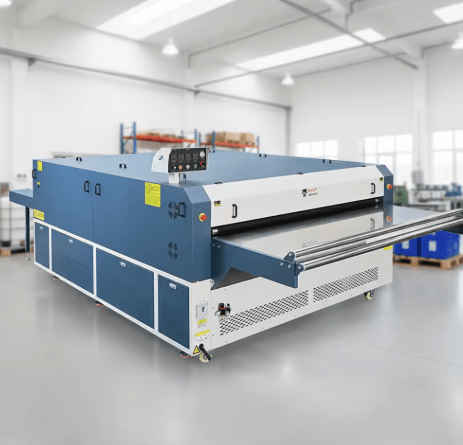
A laminating system for bulk production is an industrial setup designed to apply protective or decorative layers onto large quantities of materials in a continuous workflow. These systems are engineered to handle heavy workloads without compromising quality or precision.
The process involves bonding multiple layers of materials such as plastic films, paper, aluminum foil, or fabric using heat, pressure, or adhesive technology. The result is a durable, high-quality laminated product suitable for commercial and industrial use.
These systems are commonly found in factories that produce packaging materials, labels, printed sheets, and industrial components.
Importance of Bulk Production Laminating Systems
In large-scale manufacturing, efficiency and consistency are critical. Manual or small-scale lamination processes cannot meet industrial demands. This is why laminating systems for bulk production are essential.
Key reasons for their importance include:
- High-speed continuous production
- Uniform product quality
- Reduced operational costs
- Minimal material waste
- Improved manufacturing efficiency
- Ability to handle large workloads
These advantages make them a core part of modern production facilities.
How a Bulk Production Laminating System Works
The working process of a laminating system for bulk production is fully automated and designed for continuous operation.
Material Loading
Large rolls of base materials are loaded into the system. These materials can include paper, plastic films, or composite sheets.
Surface Preparation
Depending on the system type, materials may be treated with adhesives or heated to prepare them for bonding.
Lamination Process
Multiple layers are combined using rollers that apply controlled pressure and temperature to ensure proper bonding.
Quality Control
Advanced sensors monitor alignment, tension, and adhesive distribution to maintain consistent quality.
Winding or Cutting
The finished laminated material is either rolled into large reels or cut into sheets for further processing.
This automated workflow ensures maximum efficiency in bulk production environments.
Types of Laminating Systems for Bulk Production
Different industries require different types of laminating systems depending on material and production requirements.
Thermal Laminating Systems
These systems use heat and pressure to bond materials. They are widely used in packaging and printing industries.
Adhesive-Based Laminating Systems
These machines apply adhesives between layers before pressing them together for strong bonding.
Extrusion Laminating Systems
Molten polymer is used as a bonding layer, making this system suitable for heavy-duty packaging applications.
Solvent-Free Laminating Systems
These eco-friendly systems use advanced adhesives without harmful solvents, improving safety and sustainability.
High-Speed Industrial Laminators
Designed specifically for bulk production, these machines can operate continuously at very high speeds.
Each system is tailored to meet specific industrial requirements.
Key Features of Modern Laminating Systems for Bulk Production
Modern industrial laminating systems are equipped with advanced technology to ensure efficiency and precision.
Continuous Operation Capability
These systems are designed for uninterrupted production, making them ideal for large factories.
Automated Control Systems
PLC-based controls allow operators to manage speed, temperature, and pressure easily.
High Precision Alignment
Advanced rollers ensure that all layers are perfectly aligned during lamination.
Energy Efficiency
Modern systems are designed to reduce power consumption while maintaining high output.
Smart Monitoring Technology
Sensors and digital systems track production performance in real time.
Multi-Material Compatibility
These systems can handle a wide variety of materials including films, foils, and papers.
Applications of Laminating Systems for Bulk Production
These systems are widely used across multiple industries due to their efficiency and versatility.
Packaging Industry
Used for food packaging, beverage packs, and consumer goods packaging where durability and appearance are important.
Printing Industry
Used for high-volume production of books, magazines, posters, and promotional materials.
Label Manufacturing
Ensures strong and durable labels resistant to moisture, heat, and chemicals.
Furniture Industry
Used for decorative laminates on wood panels and boards in large-scale furniture production.
Textile Industry
Produces laminated fabrics for industrial, medical, and outdoor applications.
The versatility of these systems makes them essential for bulk manufacturing.
Advantages of Laminating System for Bulk Production
Companies using these systems benefit in many ways, especially in large-scale operations.
Increased Production Speed
Automated systems allow continuous and fast production cycles.
Consistent Quality Output
Ensures every product meets the same quality standards.
Reduced Labor Costs
Automation reduces the need for manual work.
Lower Material Waste
Precision systems minimize errors and reduce waste.
High Scalability
Suitable for both medium and large-scale manufacturing plants.
Improved Product Durability
Laminated materials offer better protection and longer lifespan.
Technological Advancements in Laminating Systems
The laminating industry has evolved significantly due to modern technology integration.
Key advancements include:
- Servo motor control systems
- AI-based quality inspection
- IoT-enabled monitoring
- Automatic tension adjustment
- Digital touchscreen interfaces
- Real-time production tracking
These innovations have made bulk production more efficient and reliable.
Role in Modern Industrial Manufacturing
The laminating system for bulk production plays a vital role in supporting global manufacturing industries. As demand for high-quality packaged and finished goods increases, manufacturers rely on these systems to maintain productivity and efficiency.
They help industries achieve:
- Faster turnaround times
- Better product consistency
- Higher production capacity
- Improved operational efficiency
This makes them a key part of modern industrial infrastructure.
Sustainability in Bulk Production Laminating Systems
Environmental sustainability is becoming increasingly important in industrial manufacturing. Modern laminating systems are designed to reduce environmental impact.
Eco-friendly features include:
- Reduced energy consumption
- Low-waste production processes
- Compatibility with recyclable materials
- Solvent-free adhesive options
- Cleaner manufacturing processes
These features help industries meet global environmental standards.
Challenges in Bulk Production Lamination
While highly efficient, these systems also come with some challenges:
- High initial investment cost
- Requirement for skilled operators
- Regular maintenance needs
- Complex system calibration
Despite these challenges, long-term benefits make them a valuable investment for manufacturers.
See also: Workplace Automation Technology Explained
Future of Laminating Systems for Bulk Production
The future of laminating systems is moving toward greater automation, intelligence, and sustainability.
Future developments may include:
- Fully automated smart factories
- AI-powered production optimization
- Ultra-high-speed lamination lines
- Predictive maintenance systems
- Advanced eco-friendly materials
These innovations will further enhance productivity and reduce operational costs.
Conclusion
The laminating system for bulk production is an essential technology for modern industries that require high-speed, high-volume, and high-quality output. It supports packaging, printing, furniture, and textile industries by ensuring efficiency, consistency, and durability.
With continuous technological advancements and increasing global demand, these systems will remain a cornerstone of industrial manufacturing. Businesses that invest in advanced laminating systems will benefit from improved productivity, reduced costs, and long-term competitive advantage.